Insights
Technical articles, benchmark reports, and case studies on navigation coverage testing, reachability scores, and web application quality.
 Navigation & UX
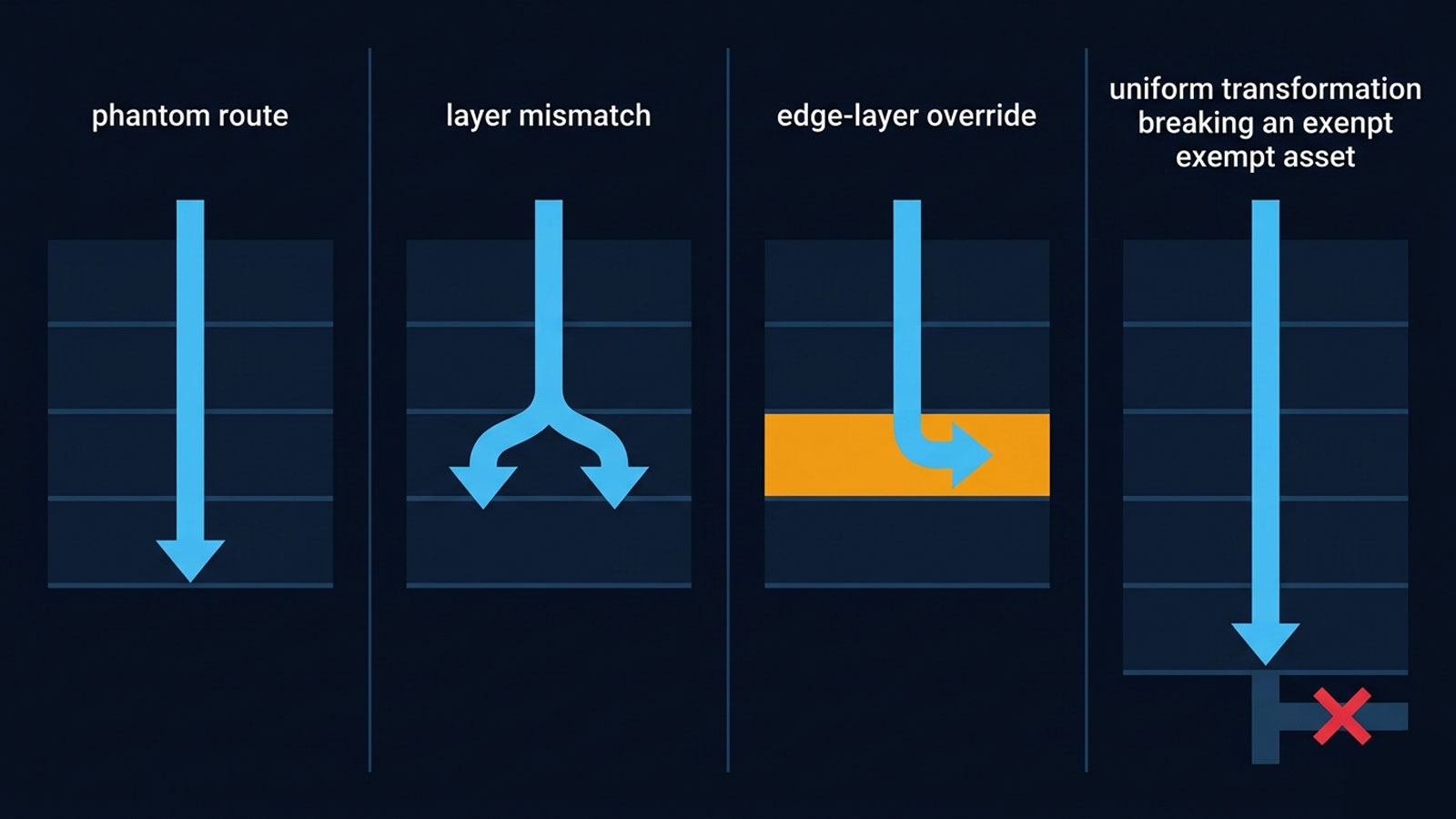
 Four Ways Your i18n Deployment Is Broken and CI Cannot Tell
i18n deployments fail in four distinct patterns, each invisible to unit tests, integration tests, and Lighthouse. The failures are structural — they arise from the interaction between framework routing, build output, edge-layer configuration, and asset classification. Naming them gives teams a shared vocabulary for debugging. This article defines all four classes, explains why they cascade across multiple deploys, and maps each to the specific testing signal that would catch it.
 Testing & QA
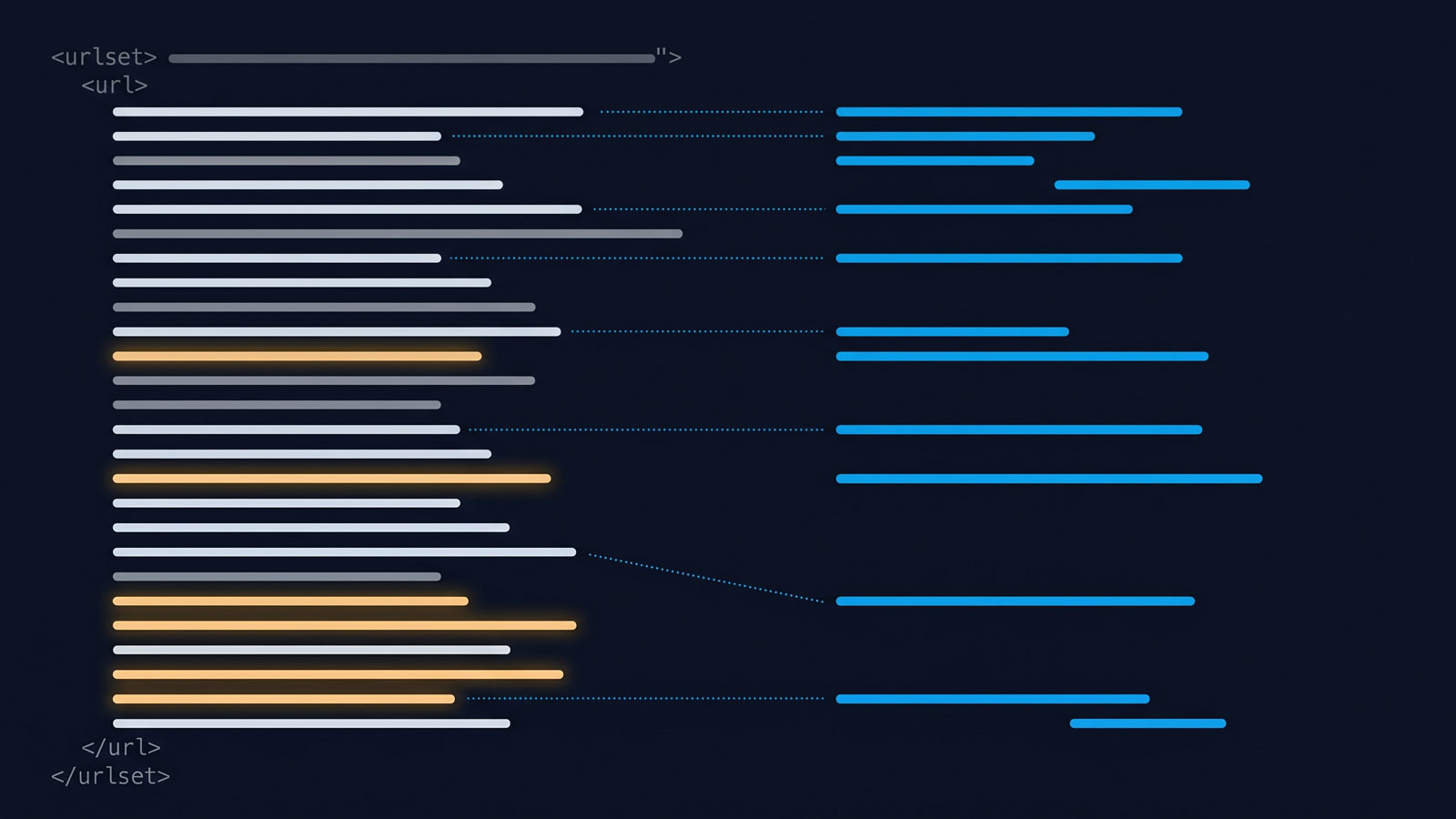
 Five Checks No Testing Tool Runs on Every Page of Your App
Autonomous testing tools validate user flows. Lighthouse validates performance. Neither checks whether each page of your application is actually complete, correct, and safe. Five deterministic checks — each requiring zero AI, zero additional browser time, and zero additional cost — catch defect classes that exist across your entire application surface and that no testing tool currently surfaces. The gap between reachable and correct is where these checks live.
 Testing & QA
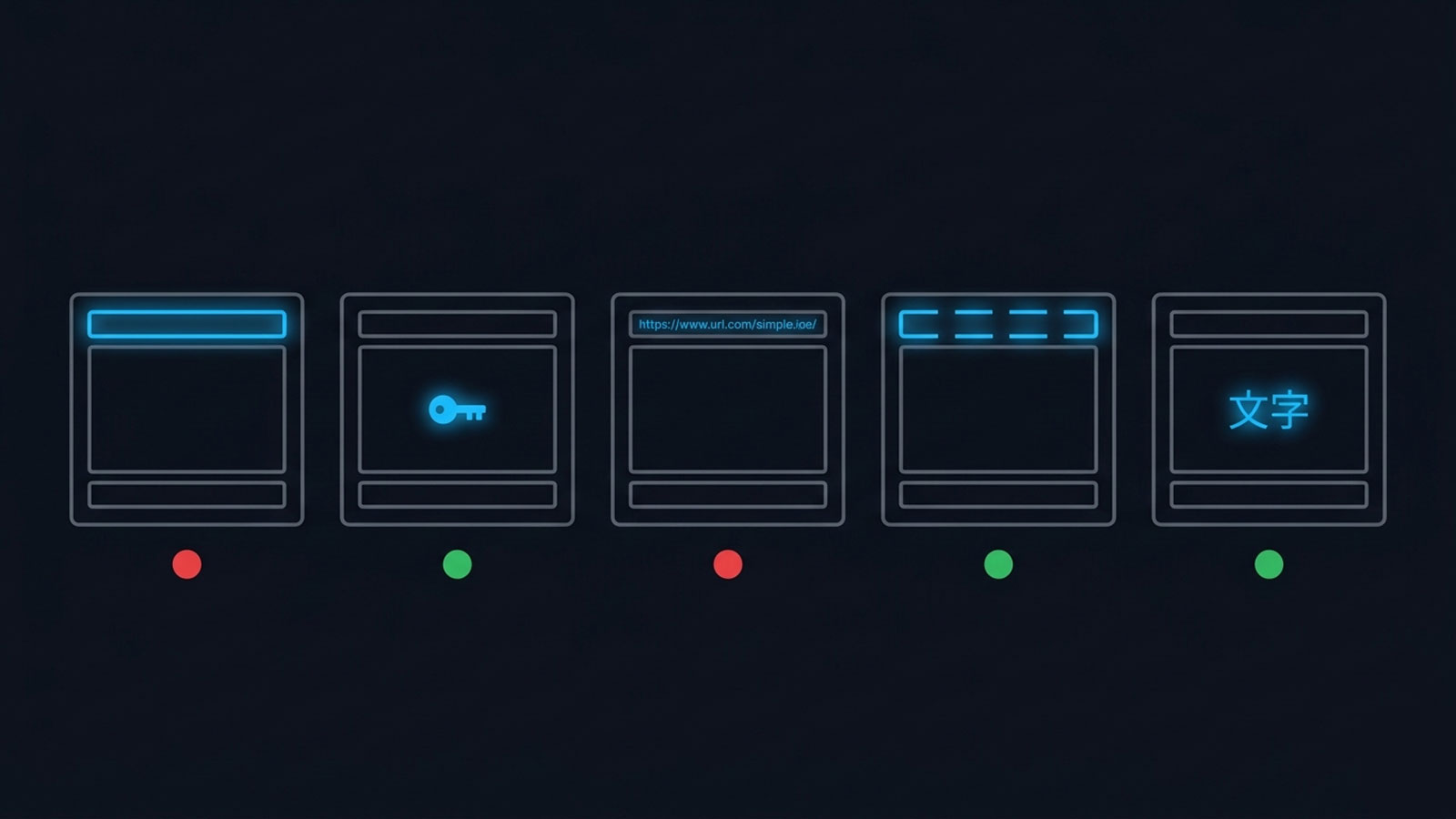
 Your Sitemap Is the Ground Truth Your Test Suite Ignores
Every framework generates a sitemap that declares every page your application has. No testing tool uses it. The sitemap is the most honest, most complete, most freely available ground truth about your application's intended surface area. It sits there, unused by your CI pipeline, while your test suite validates a fraction of your routes against an unstated assumption about which routes matter. The gap between sitemap and test suite is the gap between what you built and what you verified.
 Testing & QA
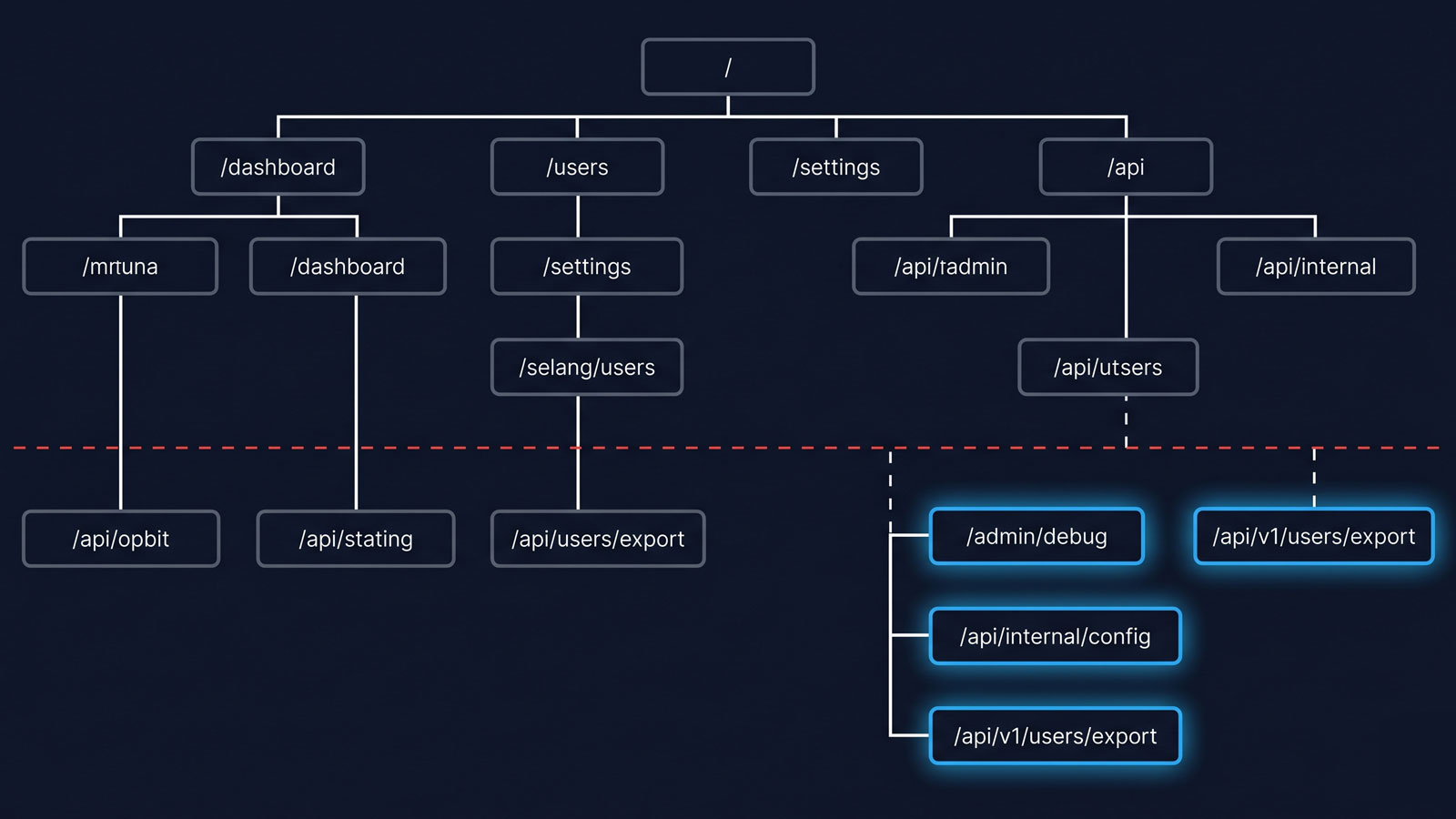
 CVE-2025-29927: The Middleware Bypass Your Tests Missed
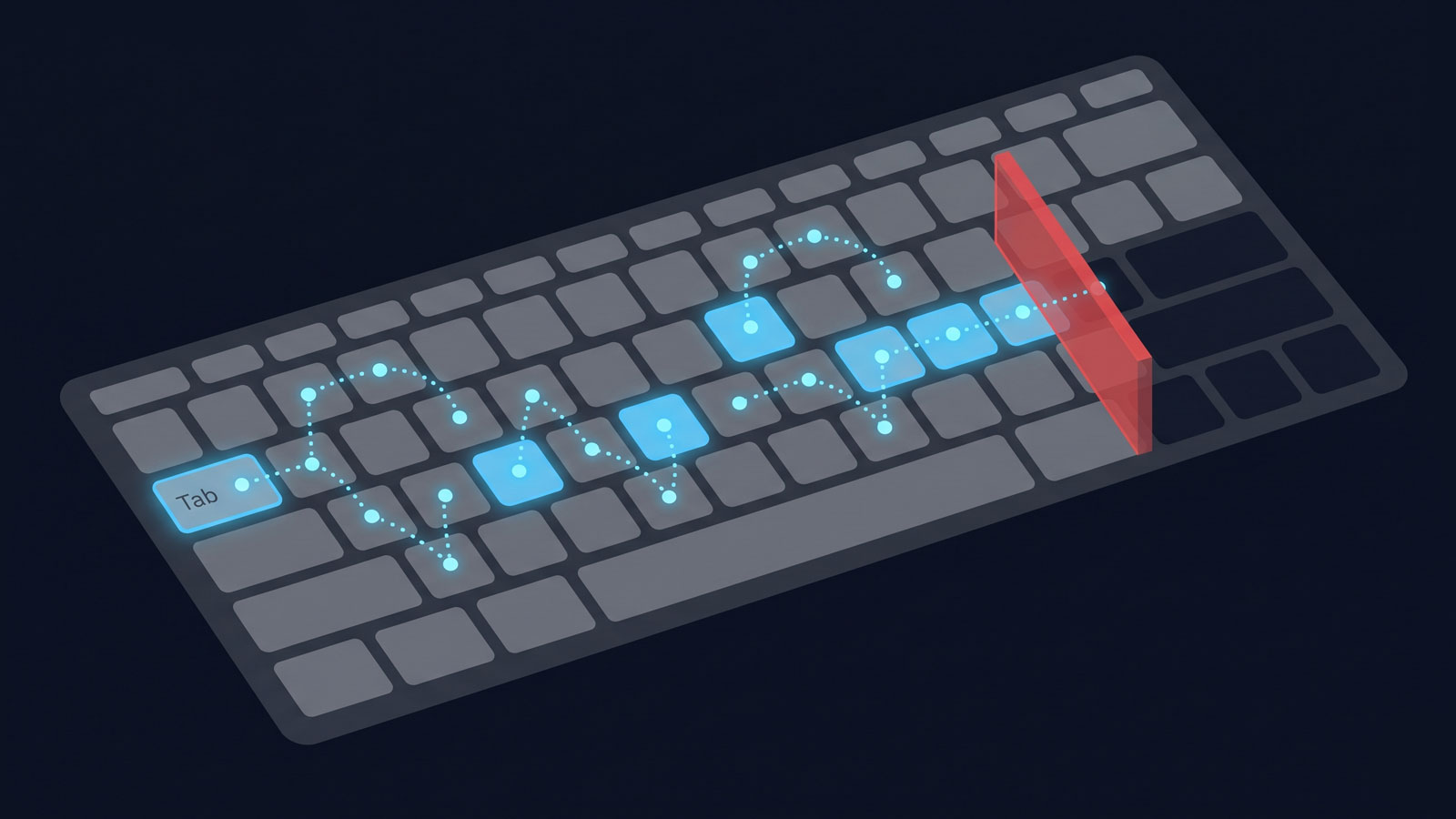
On 21 March 2025, a researcher disclosed that a single HTTP header could bypass every authentication check in Next.js middleware. CVE-2025-29927 carried a CVSS 9.1 critical rating and affected four years of deployments. The patch closed the exploit within days, but the deeper failure persists: most test suites reach protected routes through middleware, never verifying that each route enforces its own access control. This article breaks down the exploit and shows how to build a route inventory.
 Navigation & UX
 EAA 2025: Keyboard Navigation Is Now a Legal Requirement
The European Accessibility Act entered its enforcement phase on 28 June 2025. For SaaS companies serving EU customers, compliance now requires all core functionality to be operable by keyboard alone. This goes beyond colour contrast and alt text. Tools like Lighthouse catch DOM-level failures but cannot detect keyboard traps, focus order violations, or elements hidden behind overlapping content. This article maps the specific EN 301 549 criteria to navigation reachability testing.
 Testing & QA
 The Five-Minute Audit for Protected Routes in Your Tests
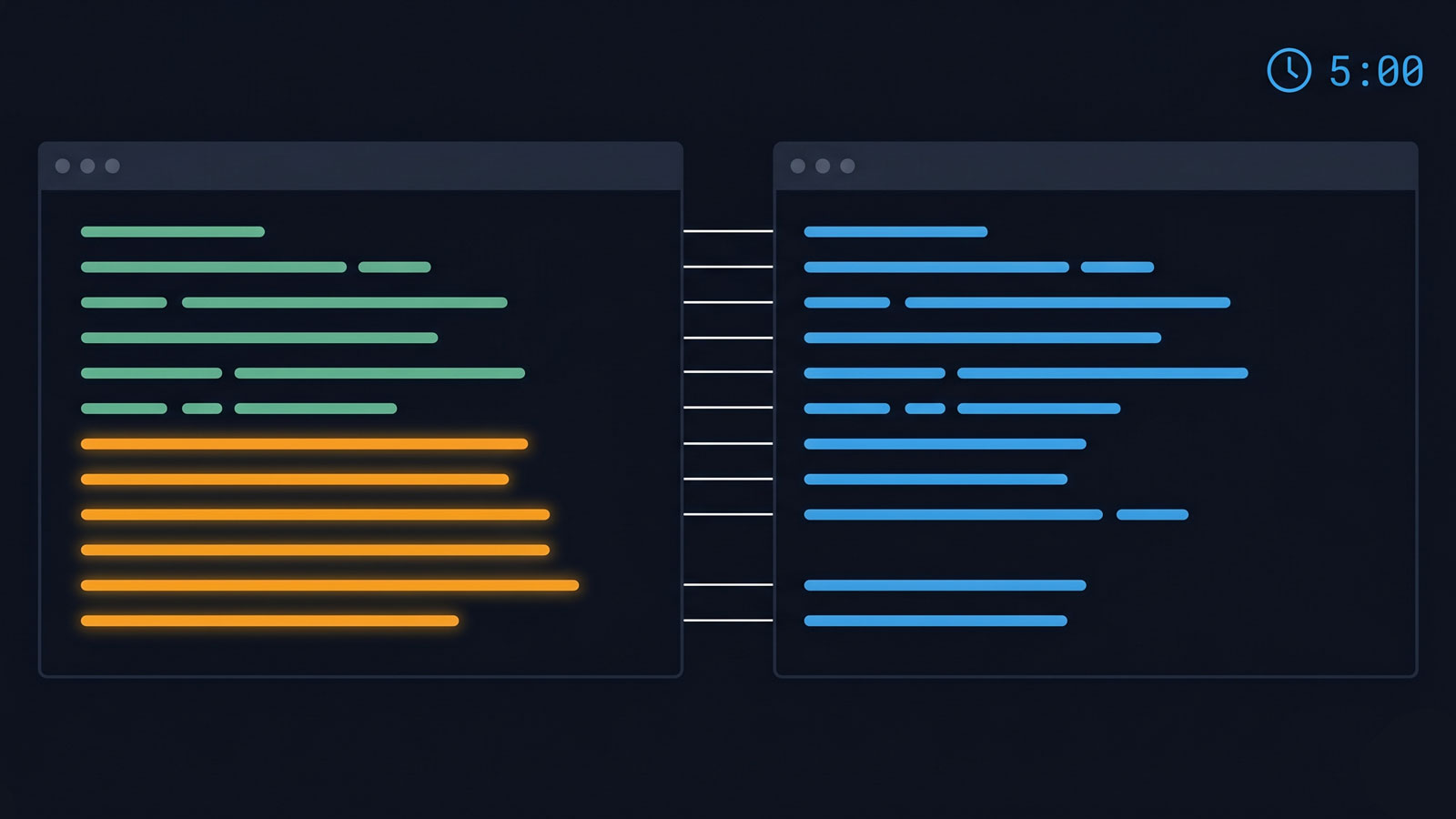
Most test suites exercise a fraction of an application's routes without anyone noticing. The gap accumulates silently as new pages ship and old tests keep passing. This five-minute audit gives you a concrete method to measure it: enumerate every route your application serves, extract every URL your tests navigate to, and diff the two lists. The result is a ranked list of untested routes, prioritised by access control sensitivity. Includes commands for Next.js, React Router, FastAPI, and Django.
 Testing & QA
 Persona-Aware Playwright Fixtures for Multi-Role Testing
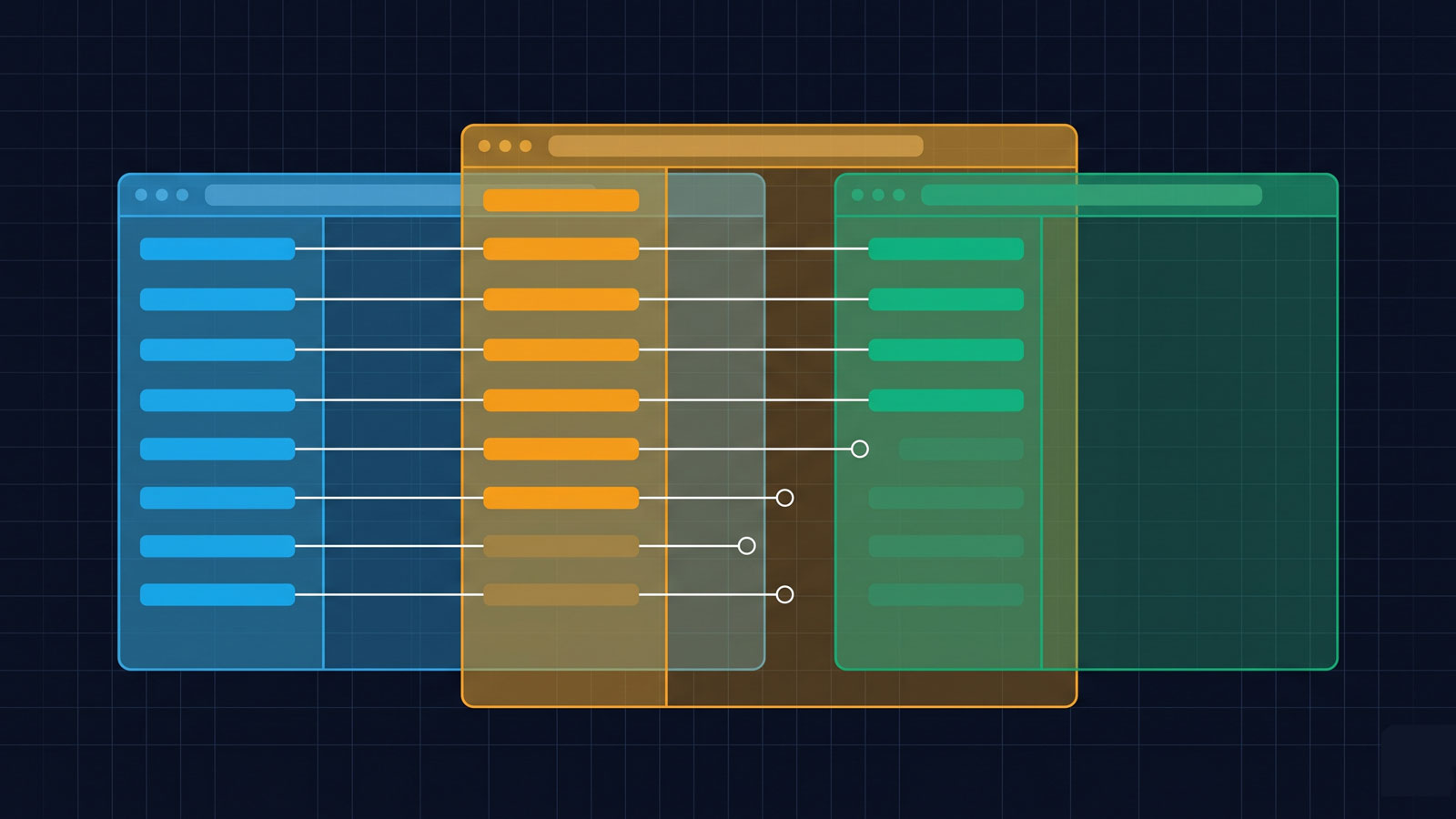
Most Playwright test suites authenticate as a single admin user and call it coverage. Every test passes, every route renders, and the team ships with confidence. The problem is structural: features gated behind non-admin roles are never tested because no test has ever logged in as a free-tier user or a viewer. This guide walks through building persona-aware fixtures that load distinct storageState files per role and surface the navigation gaps that admin-only coverage hides.
 Industry Perspective
 QA Tooling Consolidation: What the Platforms Still Miss
Between late 2024 and early 2025, three major QA platforms made significant acquisitions. Tricentis bought SeaLights for test-impact analytics. BrowserStack acquired Bird Eats Bug for debugging. SmartBear absorbed QMetry for test management. Platforms are consolidating around test-execution intelligence and developer experience. What none of them acquired is a tool that measures whether features passing tests are reachable by end users through the application's navigation.
 Navigation & UX
 We Shipped 5.6% Navigation Coverage. Here Is What Broke.
We built Glia Quest to catch navigation failures in web applications. Then we shipped our own marketing site with one of the worst scores we had ever seen: 5.6% across nine language versions. Four distinct failure classes, four deploys, and thirty hours of debugging. Traditional QA tooling, code coverage metrics, and Lighthouse audits caught none of it. This is the technical post-mortem of how a team building a navigation testing tool failed to test its own navigation.
 Industry Perspective
 The Traditional Software Test Pyramid Is a Useful Fiction
Mike Cohn introduced the test pyramid in 2009 as a cost argument: end-to-end tests through a browser were slow and brittle, so teams should write more unit tests and fewer UI tests. The shape was a budget allocation, not a quality strategy. Seventeen years later, the pyramid's ratios are still treated as doctrine despite shifts in how software is built and where production bugs originate. This essay argues testing investment should follow bug distribution data, not a prescribed geometric shape.
Test your application's navigation coverage.
Twenty-five free credits. No card required.